Grütly Norte
July 16 - September 12, 2025
The White Lodge. Lavalle 1447. Piso 4to -10. CABA
ARTIST: Malcon D’Stefano
Texts: Joaquin Barrera, Cintia Clara Romero, Lia Demichelis and Georgina Valdez
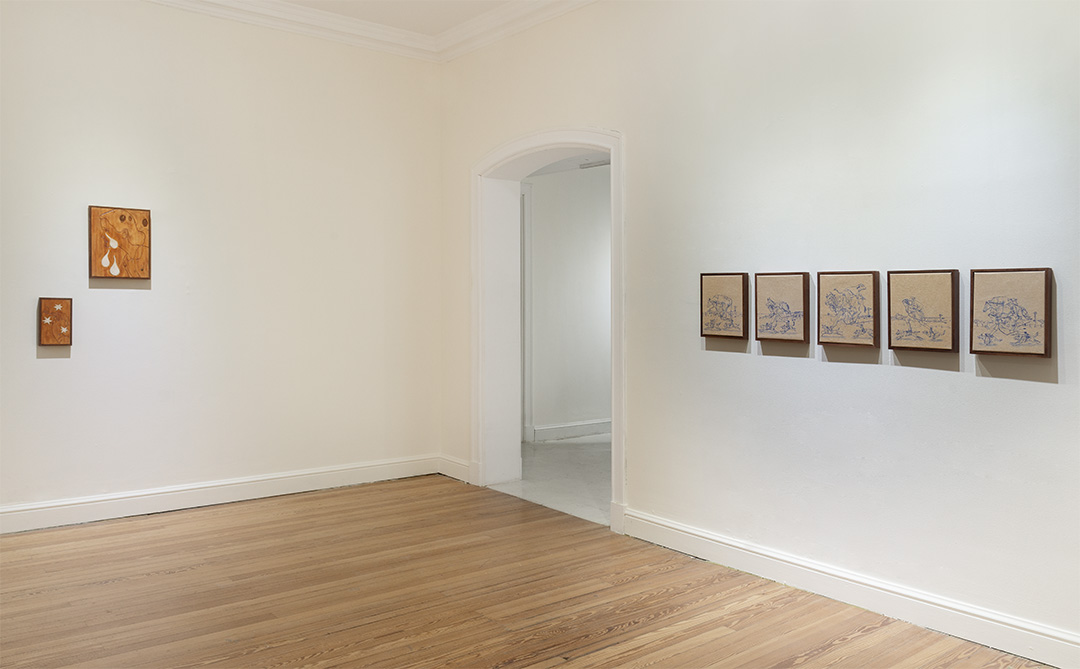
Intemperie, in collaboration with The White Lodge, present GRÜTLY NORTE, a solo show by Malcon D´Stefano.
Malcon has been with Intemperie since 2018.
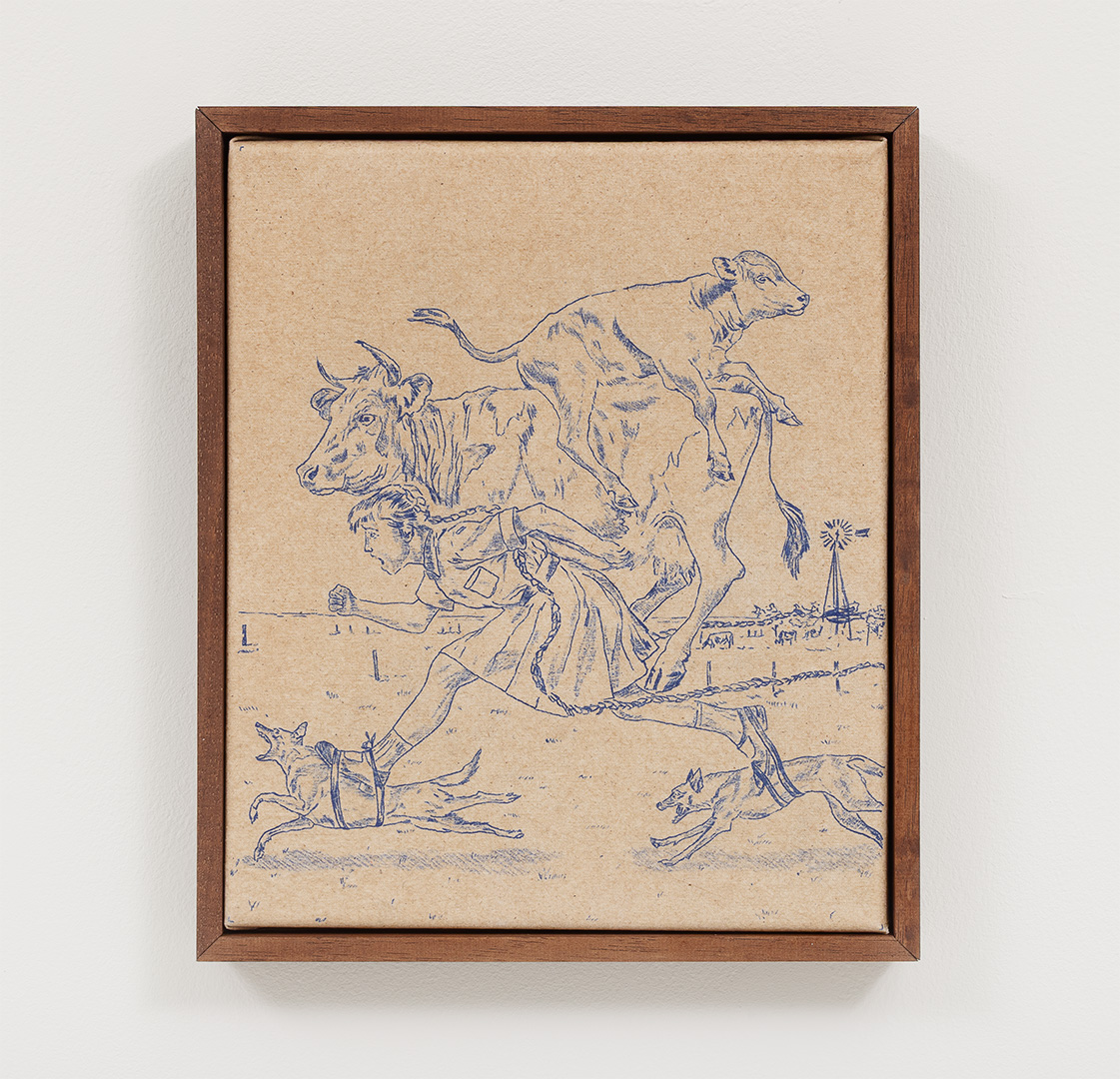
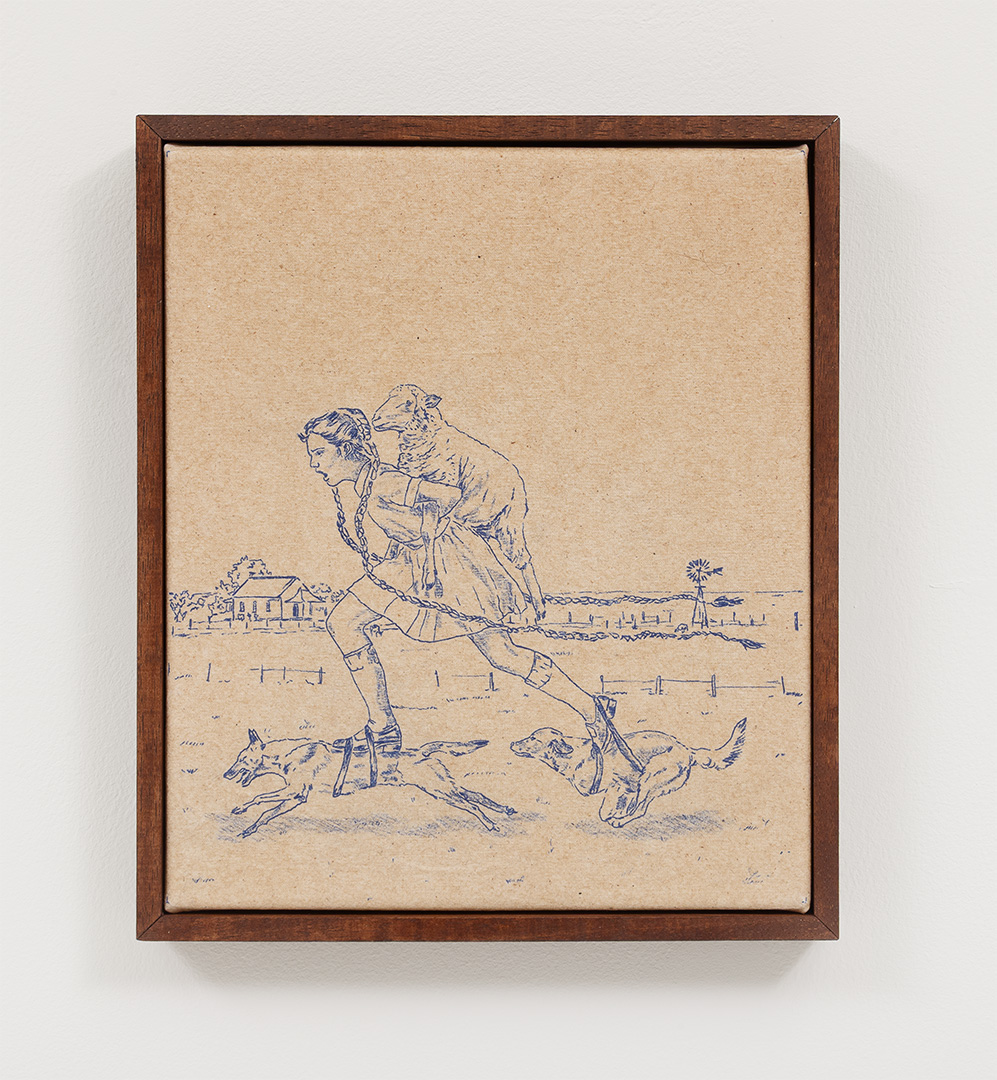
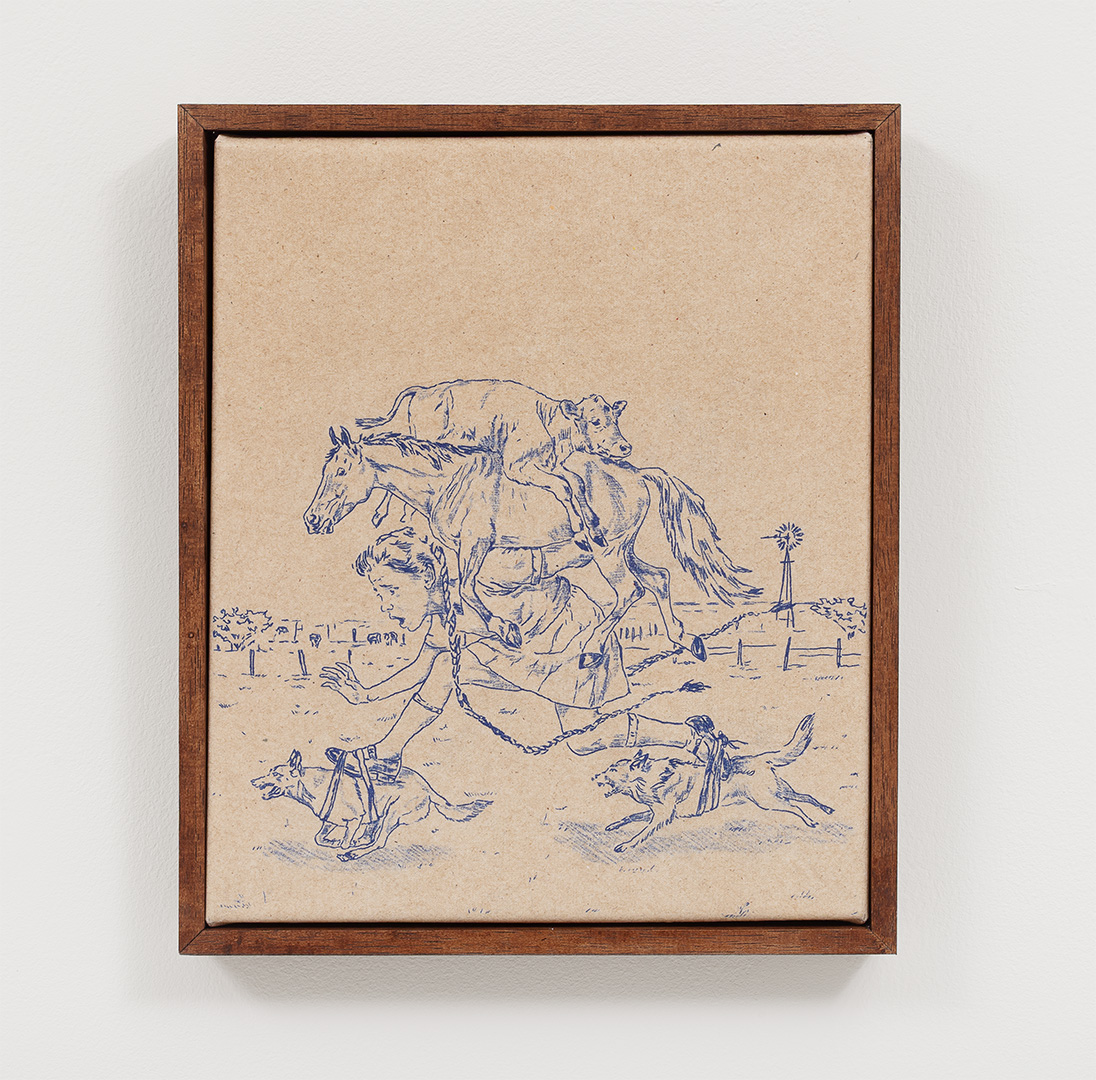
“When nature becomes productive nature, a landscape can only be beautiful if transformed by labour power”1
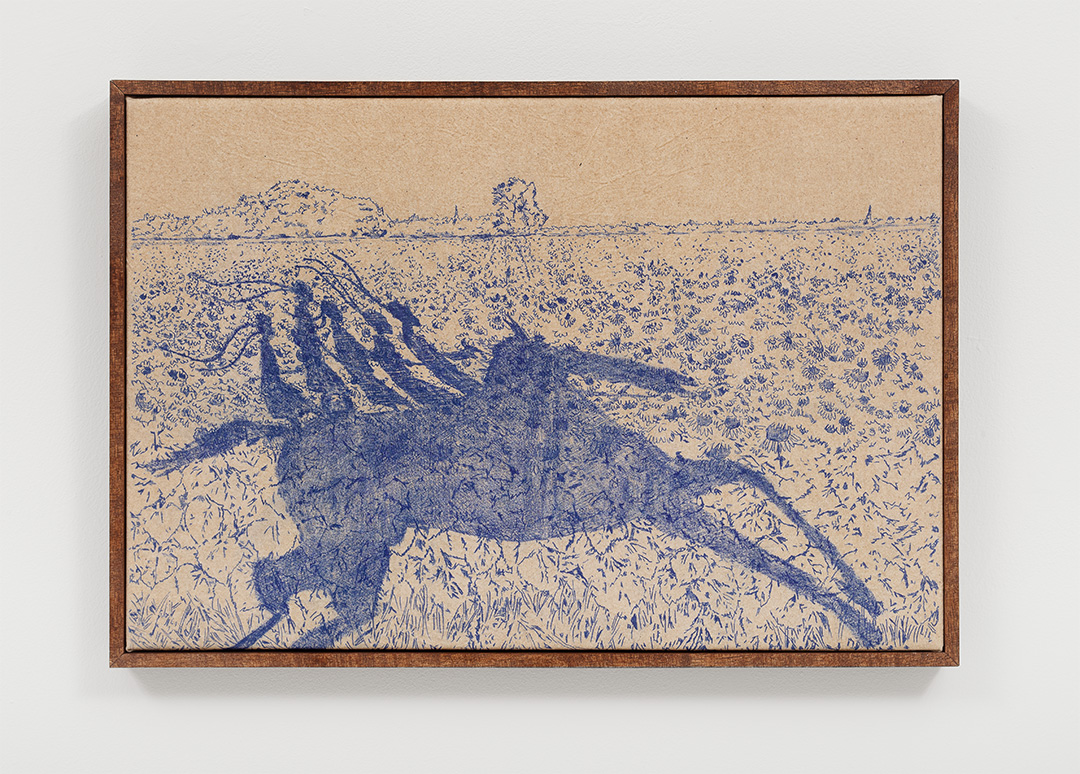
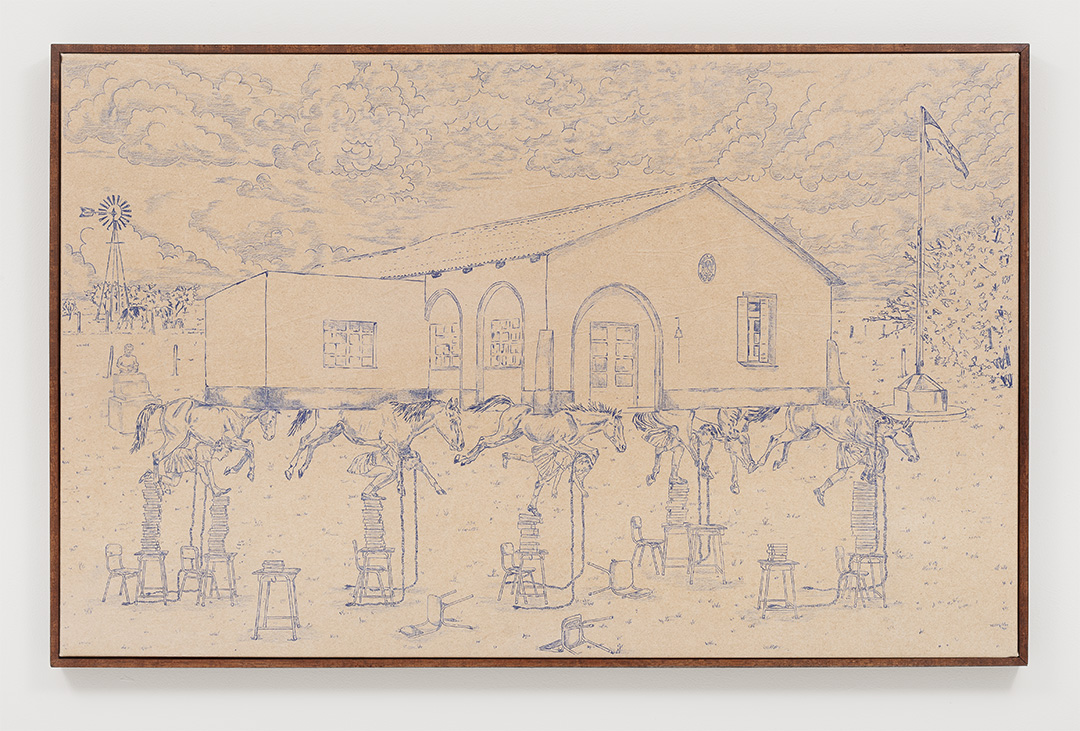
Malcon D’Stefano —or simply Toti, as his friends prefer to call him— presents in this exhibition a small and heart-felt homage to his childhood town. Cradle of his emotional education, germ of his aesthetic procedures, and foundational source of inspiration of his craft as a copyist, Grütly Norte is a spot in the dairy region of Santa Fe province forsaken by God, but above all by the policies that led to the privatization and dismantling of the railway network during the Menem presidency. A few inhabitants and an ongoing faith in family ties secure the town’s continuity in time, denying the stirring presence of night and sowing vitality in the haunting and unruly plain that is the Argentine Pampa.
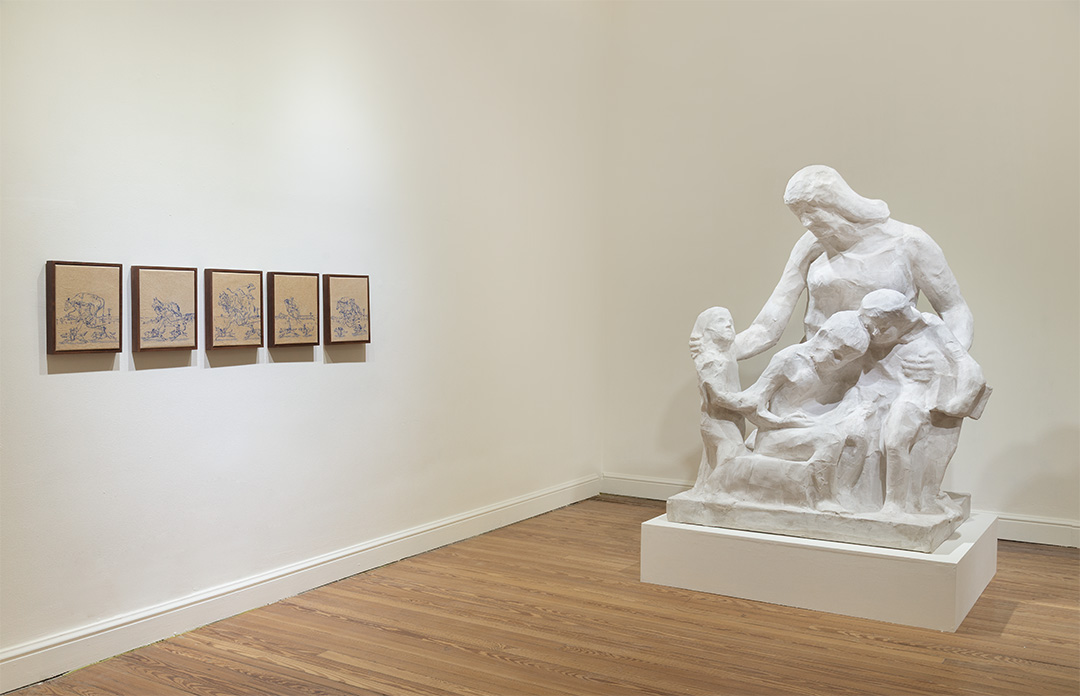
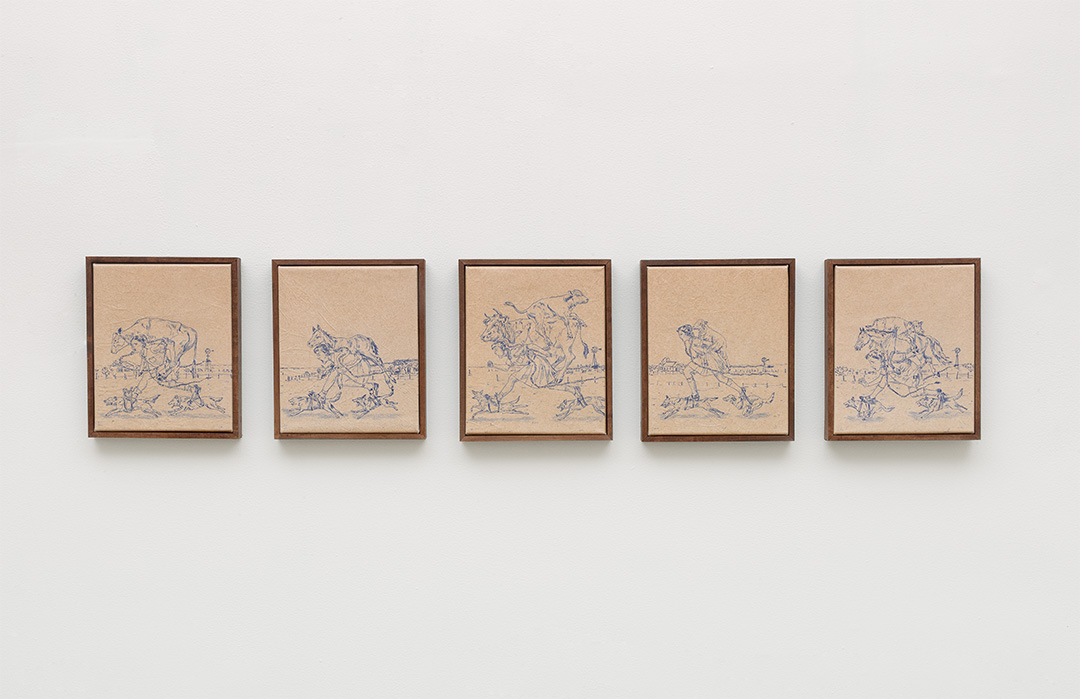
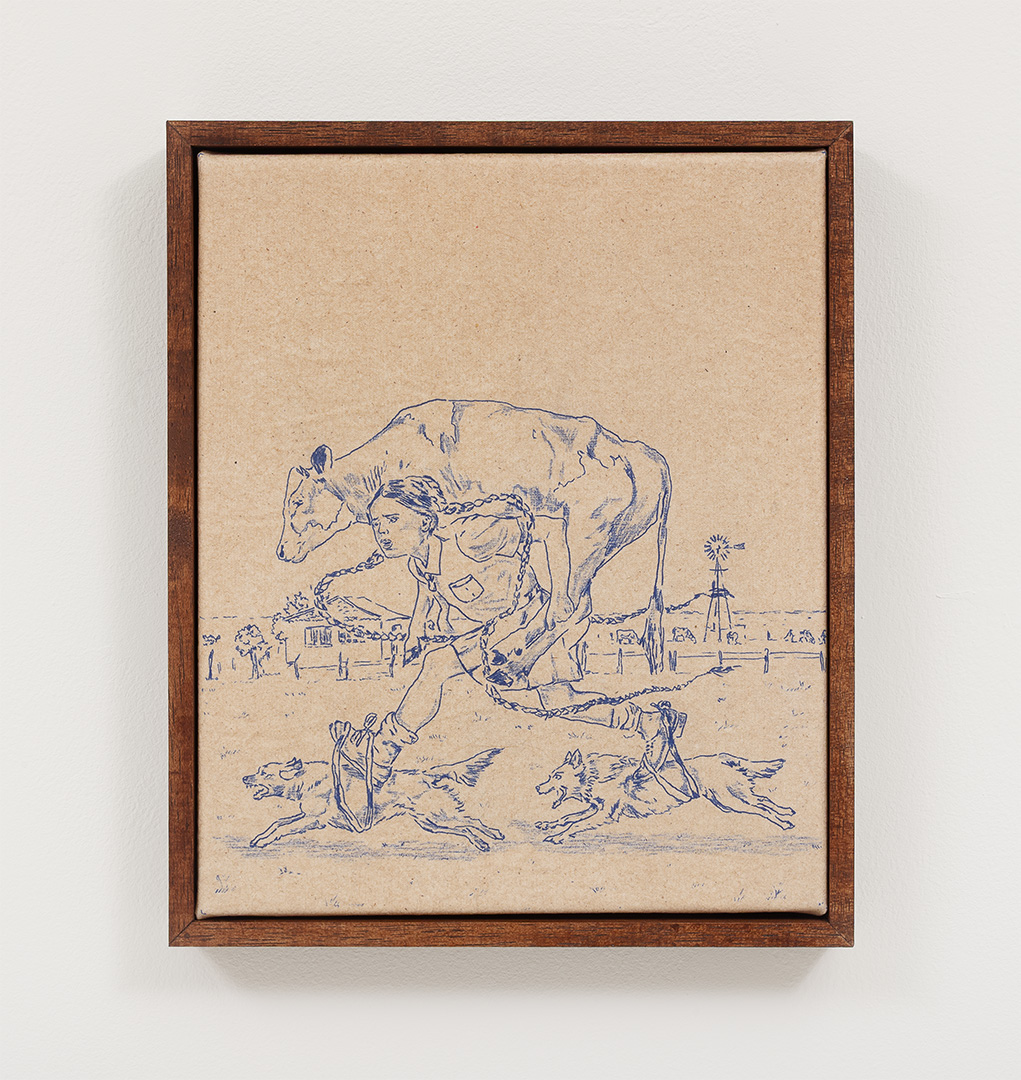
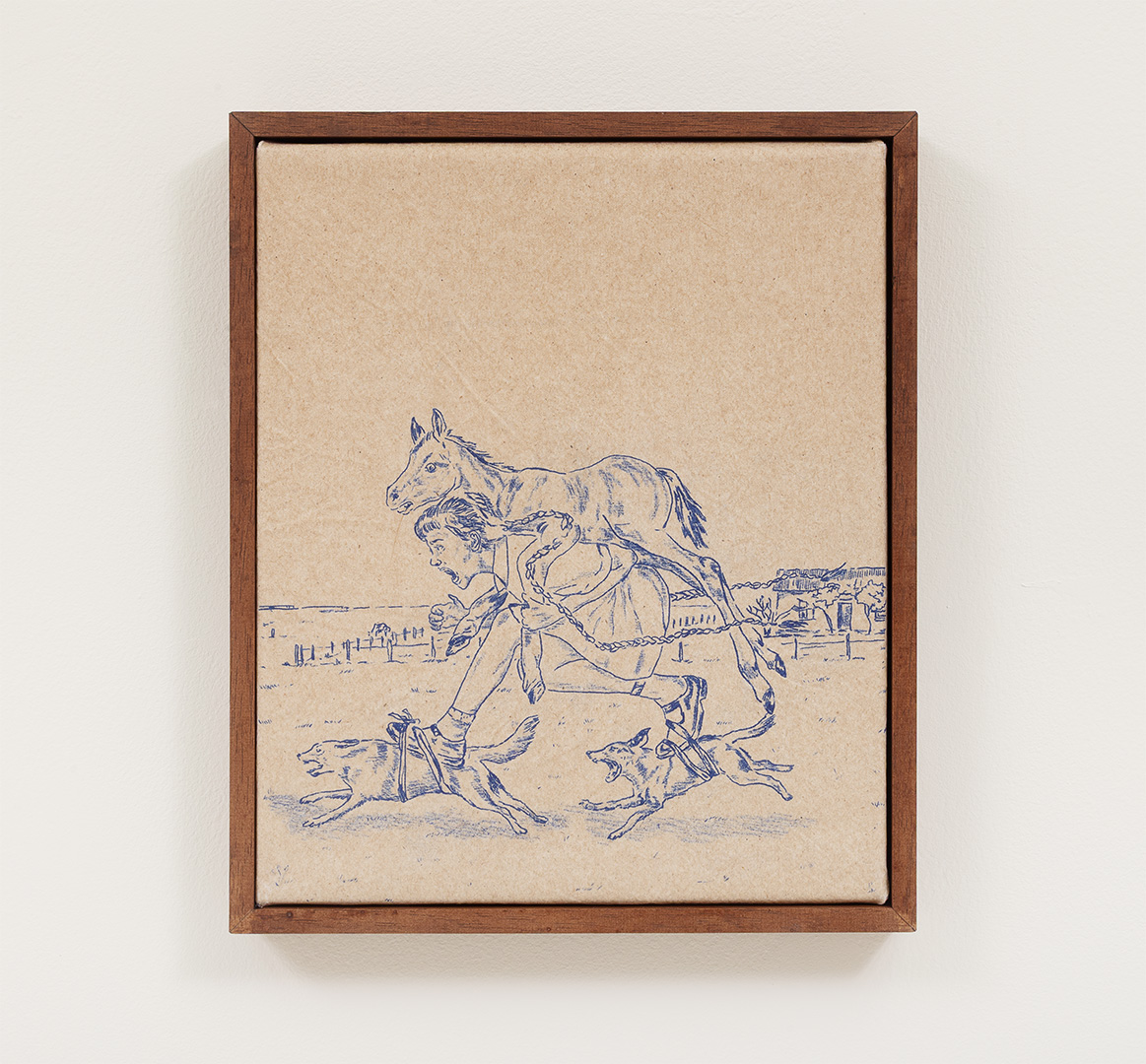
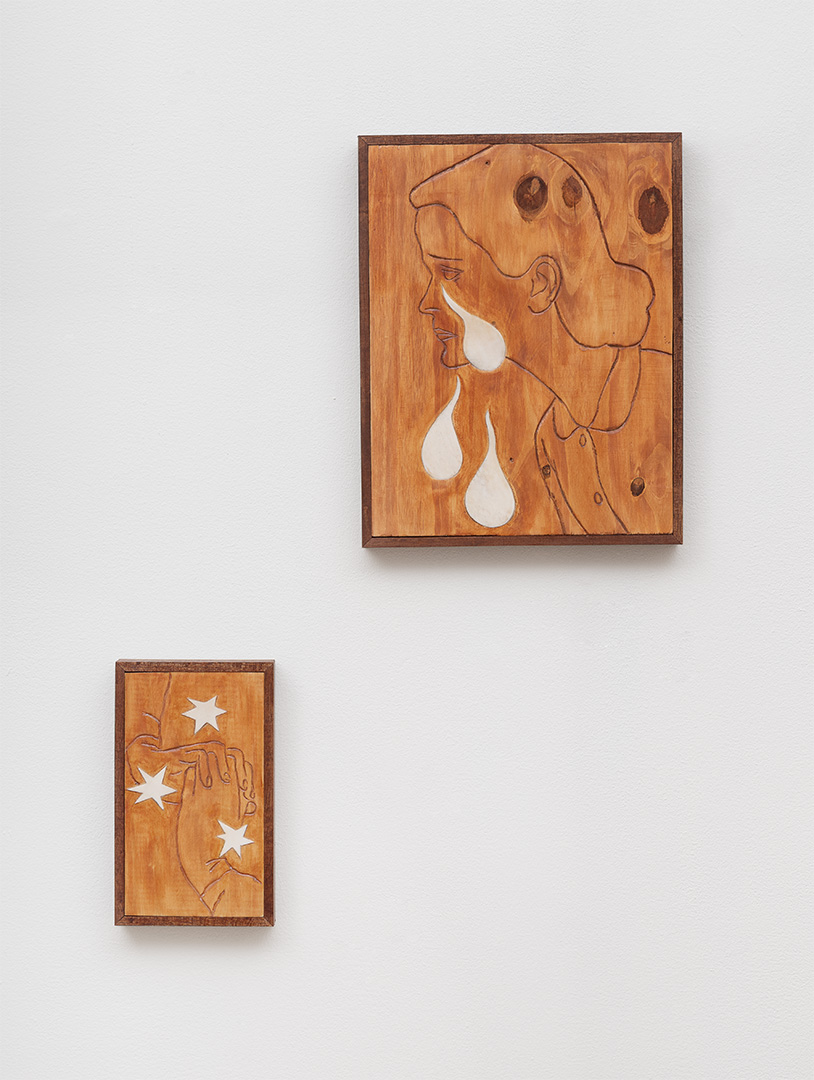
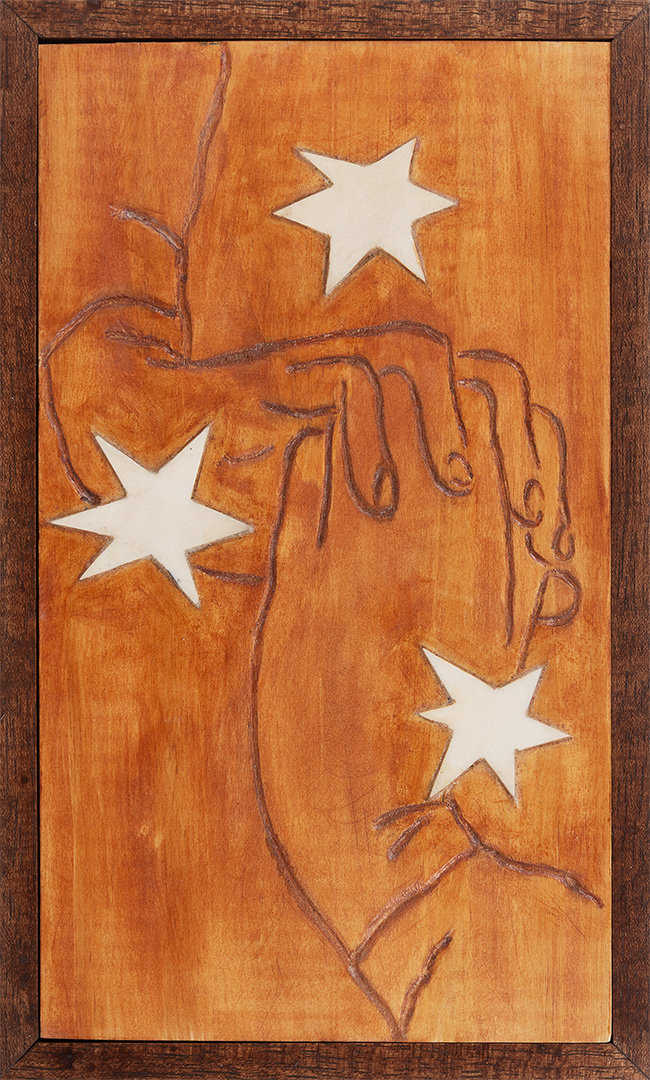
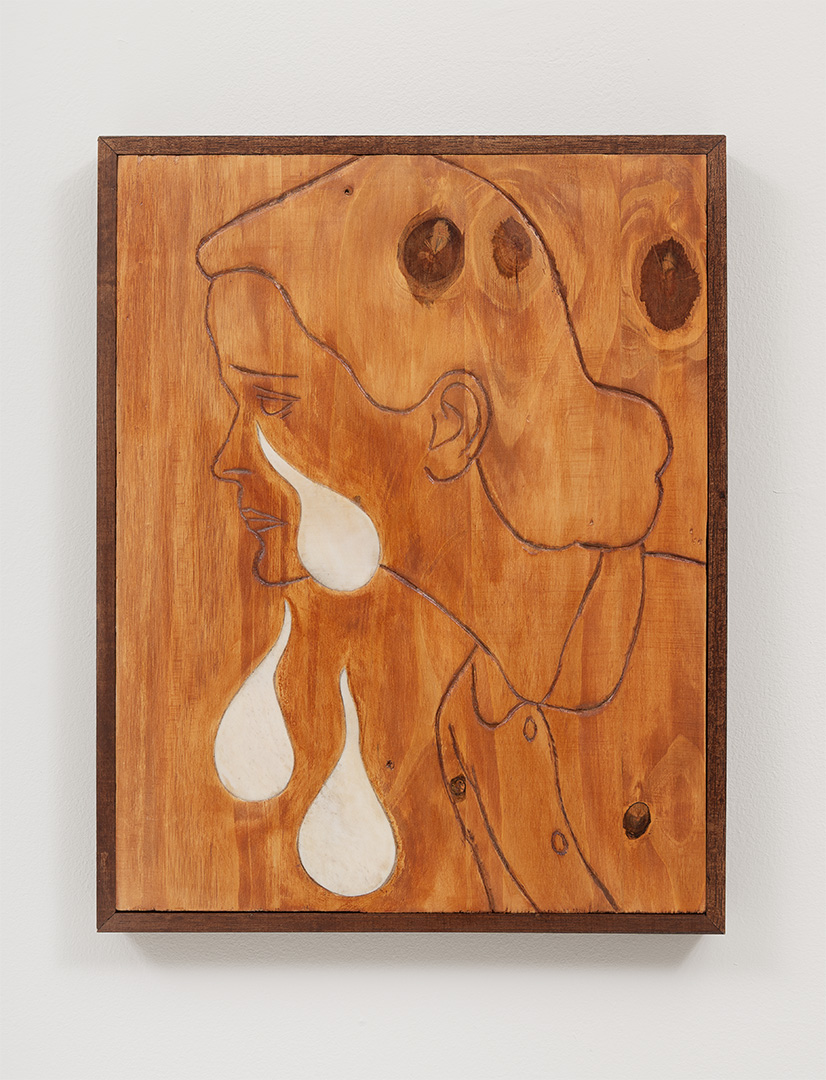
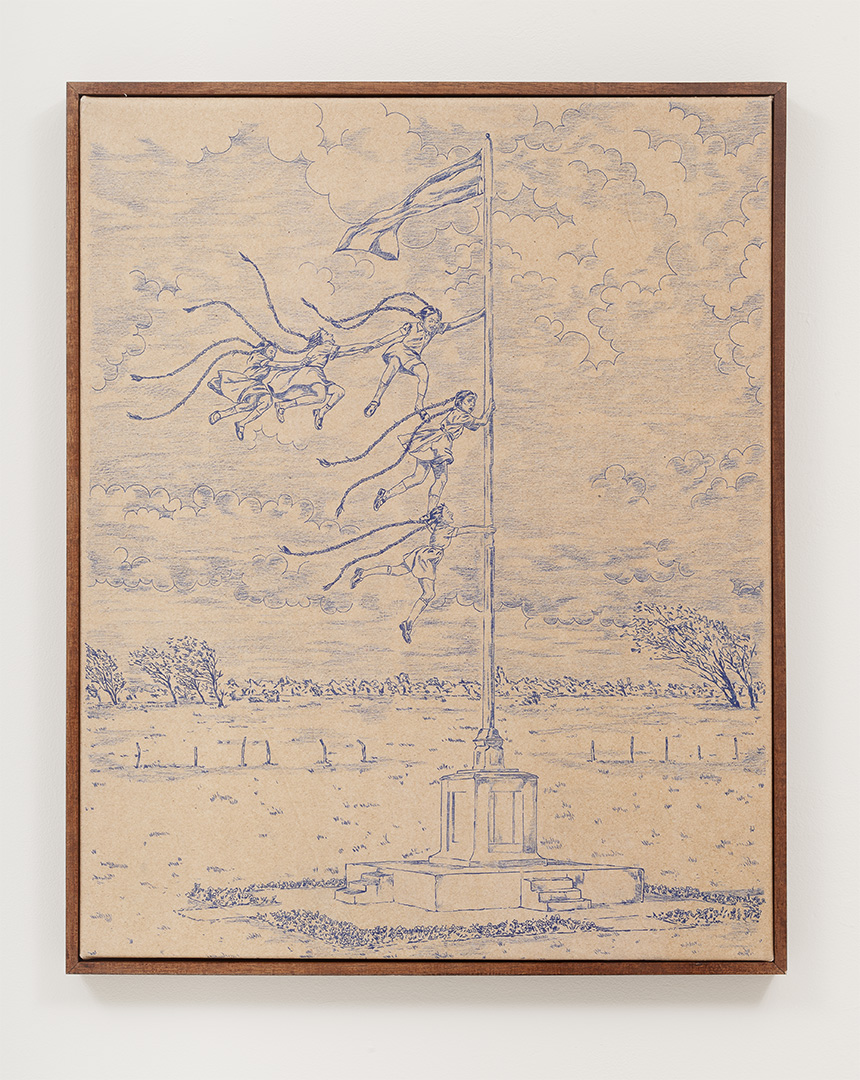
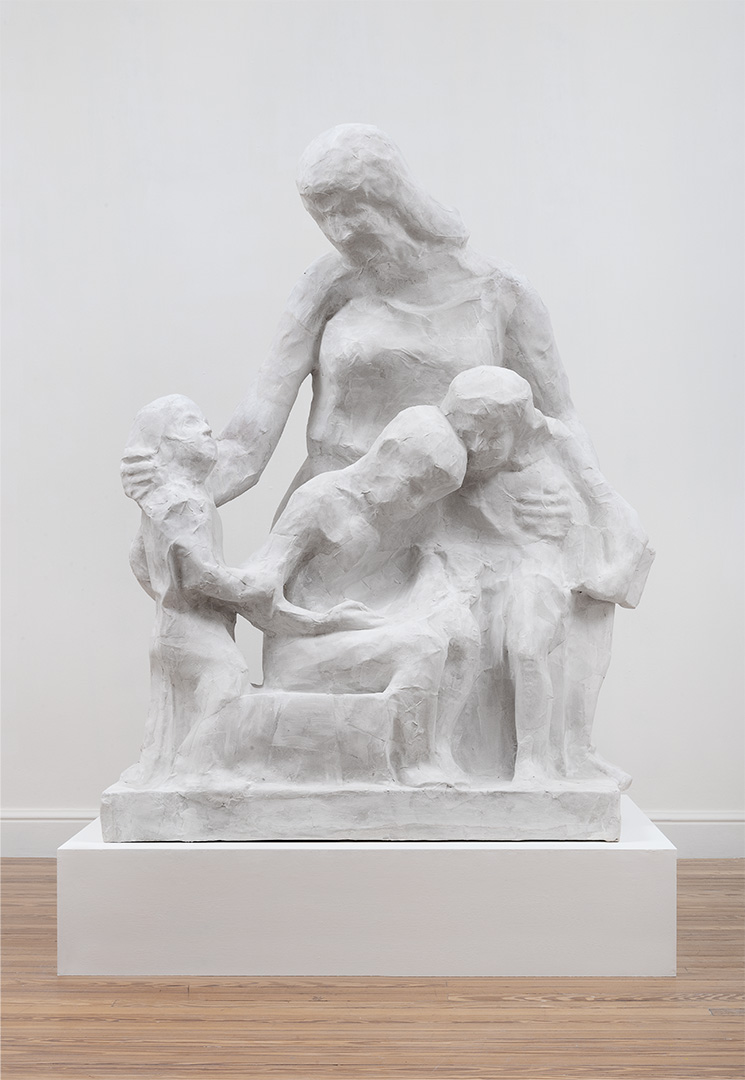
Through drawings, carvings, and a central sculpture, Toti gifts us with a song about the historical memory of his community, the constitutive elements of its identity, the immensity of the horizon line, and, specially, about its governing institutions. A devotional song dedicated to a group of women who blur their predeterminate roles and are at the same time teachers, mothers, partners, and students. According to the artist’s own account, these figures —almost superheroines— are illustrated in renowned statues that uplift not only the public squares but also the school’s playground that brings civic activity to the town.
At the dawn of National Organization —well into the second half of the 19th century— and in light of the programmatic design of a State that wanted to populate the productive desert of our soil with cheap workforce through waves of mass migration, a group of United States teachers arrived in Argentina under the wing of President Sarmiento. The plan was simple but effective: an army of teachers that would institute a national educational system had to be built as rapidly as possible. This was the task to be fulfilled by the foreign female professors. Under the strict supervision of the victorious Unitarian Party’s narrative, they built a pedagogical model aimed above all at instituting a sense of nation, an identity transmissible within families that would function as an education that flowed: from teacher to student, and from children to their illiterate parents. If on paper governing meant populating for the ruling class, then schools operated as the administrative unit where the nation was seized, the minimal foundational unit of citizenship, a piece of the Government in your hand. The patriotic military and the State’s strategy to penetrate into the vast national territory were built sheltered by every town’s local school, under the loving and uninterested supervision and work of these pioneer teachers —the normalizing model that still shapes education in our country.
Moving closer to the present, Toti D’Stefano reclaims the protagonic role that these teachers-mothers have in the construction of citizenship, and at the same time elaborates a veiled critique on the precarious scaffolding of resources and structures that rests on their shoulders. They are in charge not only of their own daily domestic duties, but also of defending the community’s survival instinct. With minimal income, positioned asymmetrically in relation to the opulence of cities, but with their community’s gratitude, these women reclaim the mandate to protect rural schools as a common home, in the face of the State’s and private actor’s comfortable neglect of their institutions.
Lastly, it is worth highlighting the erasure of boundaries between the age groups of the depicted women proposed by the artist; this deliberate blurring of roles adds depth to a resounding praise of gender-genre2. Having no trace of the passage of time nor precise delimitation of the position each of these anonymous women occupy in the social structure, what is celebrated is not determined by their appearance but by the weight of their historical role. A well-deserved homage to those that uphold, even with their own bodies, the history of their people and the future of its memory.
Joaquín Barrera
1Rodríguez, Fermín A. (2010). Un desierto para la nación. La escritura del vacío [A Desert for the Nation: Writing the Void]. Buenos Aires: Eterna Cadencia Editora, p. 164.
2The term género in the original Spanish is used deliberately in an ambiguous sense. It refers both to gender —the feminine gender and the modes of care, nurturing, and maternal labor embodied by the women portrayed— and to genre in a plastic and aesthetic sense, alluding to the artist’s use of genre as a narrative device. The compound gender-genre seeks to preserve this semantic overlap, which cannot be rendered through a single equivalent in English.